EV CHARGING
Electric vehicles aren’t just about air quality and environmental benefits: they are also a source of potential cost savings. On average, it costs about half as much to charge an electric vehicle compared to buying gasoline for a traditional vehicle. Electric vehicles have far fe
At Home Charging
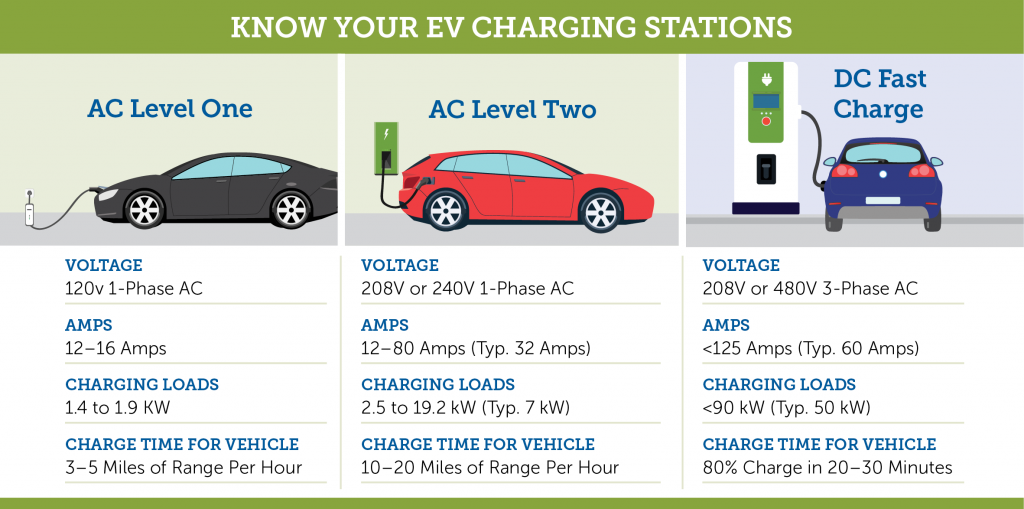
The amount of time it takes to fully charge your vehicle at home depends on the electrical service of the outlet you’re using.
“Level I” chargers use a regular 110 volt outlet and can fully charge your car’s batteries over night.
“Level II” chargers require a 240 volt outlet (the same kind as your clothes dryer) and may require an electrician to install. Most people choose to install level II charging in their garage, but stations can also be installed outside and are even safe to use when it’s raining.
You can read more about at home charging from the Alternative Fuels Data Center.
Public Charging
A growing network of public charging stations makes it easy to “top off your tank” when on the go! There are now over 100 charging stations along the Wasatch front, including “fast charge” stations that can fully charge a vehicle in 30 minutes. When you’re out and about, charging stations located at your favorite businesses around town make it easy to extend your range. Some stations even offer free charging!
wer moving parts, and operate at much lower temeratures than gasoline vehicles resulting in reduced maintenance.
There are two types of electric vehicles:
Plug-In Hybrid Vehicles have both an electric motor with a rechargeable battery and an internal combustion engine. A Plug-In Hybrid can be charged by plugging into an outlet. You can drive a limited distance using only the electric motor, and when the battery runs low the combustion engine kicks in to take you wherever you need to go.
All-Electric Vehicles have only an electric motor and a rechargeable battery and run exclusively on electricity. All-Electric vehicles are charged by plugging into an outlet and can regain some charge while driving through regenerative braking systems. All-Electric vehicles never produce tailpipe emissions, and are the perfect choice to immediately cut your pollution emissions. The average American drives about 30 miles per day, and 80% of all trips are 40 miles or less. Most All-Electric vehicles have a range of 80 miles or greater!
The range capability of new electric vehicles is rising, and growing charging infrastructure makes it easy to recharge on the go. In fact, “fast charge” charging stations can charge an EV battery to 80% in just 30 minutes! You can view a comprehensive map of charging stations in Utah (and nationwide) at the PlugShare website.
There are Federal tax incentives which provide additional savings towards the up front cost of purchasing or leasing a new electric vehicle. The Federal incentive can be as high as $7,500 (depending on your choice of vehicle), in addition to the discount offered by Live Electric.
Learn more about electric vehicles from the U.S. Department of Energy.